Healthcare can feel overwhelming. Medical terms, lab results, medications, referrals and treatment decisions often come with little explanation, leaving many people wondering what to do next.
That’s where medical self-advocacy comes in.
Being your own advocate doesn’t mean arguing with your doctor or trying to diagnose yourself. It means asking questions, understanding your options, keeping track of important health information and working with your healthcare team to make informed decisions.
At Read Your Own Chart (RYOC), we believe every patient deserves to understand what’s happening with their health. Whether you’re managing a chronic condition, preparing for an upcoming appointment or helping care for a loved one, these guides are designed to help you feel more informed and more confident every step of the way.
Use this resource hub to explore articles, practical tips and printable tools that make navigating healthcare a little easier.
Getting Started With Medical Self-Advocacy
Taking an active role in your healthcare begins with building confidence. Learning how to choose the right primary care provider, prepare for appointments and ask questions can help you become a more informed partner in your care.
Articles
- How to Choose a Primary Care Doctor
- Why Speaking Up at the Doctor’s Office Can Feel So Hard (and How to Overcome It)
- How to Speak Up When You Are Worried Something Is Being Missed
- Family Medicine vs. Internal Medicine: What’s the Difference?
- How to Prepare for Your First Specialist Appointment (Coming soon!)
- How to Get the Most Out of Every Doctor’s Appointment (Coming soon!)
Understanding Your Medical Records
Your medical records tell the story of your health, but they aren’t always easy to read. Learning how to understand common medical terms, visit notes and reports can help you feel more informed and better prepared to discuss your care with your healthcare team.
Articles
- How to Read Your Medical Records (Coming soon!)
- Understanding Medical Terminology (Coming soon!)
- How to Read Your After Visit Summary (Coming soon!)
- How to Read a Pathology Report (Coming soon!)
Understanding Lab Results
Lab tests provide important clues about your health, but seeing a number outside the reference range doesn’t always mean something is wrong. These articles explain common lab values, what they may mean and when it’s appropriate to ask your healthcare provider for more information.
Articles
- How to Read Your Lab Results (Coming soon!)
- What Do High and Low Lab Results Mean? (Coming soon!)
- Reference Ranges Explained: What Every Patient Should Know
- When Should Lab Work Be Repeated? (Coming soon!)
Asking Better Questions
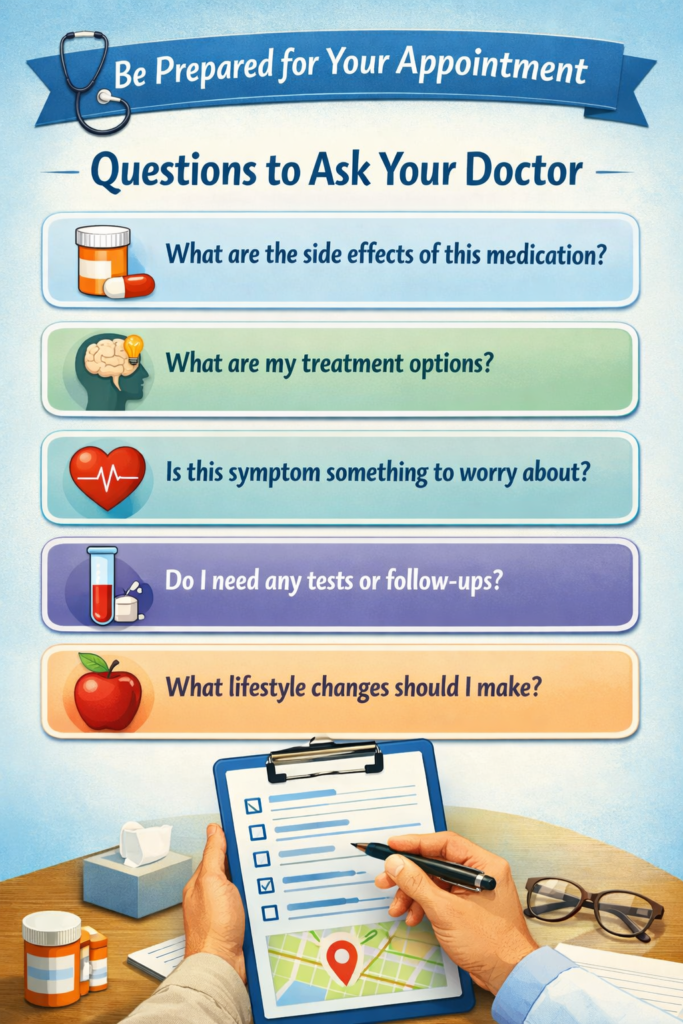
The right question at the right time can make a big difference. This section offers ideas for questions to ask before procedures, after receiving a diagnosis, when starting a new medication or anytime you need a clearer understanding of your care.
Articles
- Questions to Ask Before Surgery (Coming soon!)
- Questions to Ask About a New Medication (Coming soon!)
- Questions to Ask After a Hospital Stay (Coming soon!)
- Questions to Ask Before a Medical Test (Coming soon!)
Staying Organized
Keeping your health information organized can reduce stress and make appointments more productive. From medication lists to symptom journals, these resources will help you keep important information in one place.
Articles
- How to Organize Your Medical Records (Coming soon!)
- Why You Should Keep an Updated Medication List (Coming soon!)
- How to Keep a Symptom Journal (Coming soon!)
- Building a Personal Health Binder (Coming soon!)
When Something Doesn’t Feel Right
You know your body better than anyone else. If something doesn’t seem right, it’s okay to ask more questions, seek clarification or even request a second opinion. These articles can help you navigate those situations with confidence and respect.
Articles
- When to Get a Second Opinion (Coming soon!)
- What to Do If You Feel Dismissed by a Healthcare Provider (Coming soon!)
- Understanding Medical Errors and How to Respond (Coming soon!)
- How to Raise Concerns About Your Care (Coming soon!)
Helping Someone You Love
Advocating for a child, parent, spouse or friend comes with its own challenges. These guides are designed to help caregivers prepare for appointments, ask informed questions and support their loved ones through the healthcare journey.
Articles
- How to Advocate for an Aging Parent (Coming soon!)
- Helping Your Child Feel Comfortable at Medical Appointments (Coming soon!)
- Caregiver Tips for Doctor Visits (Coming soon!)
- Keeping Health Information Organized for a Loved One (Coming soon!)
RYOC’s Goal
Medical self-advocacy isn’t about knowing everything. It’s about knowing enough to ask questions, understand your options and feel confident participating in your healthcare decisions.
Every question you ask, every record you keep and every result you take the time to understand helps you become a stronger advocate for yourself and the people you love.
We’ll continue adding new articles, printable resources and practical tools to this hub as Read Your Own Chart grows. Be sure to check back often for the latest guides.