
How to Speak Up When You Are Worried Something Is Being Missed
When you’re worried about your health or the health of someone you love, it can be difficult to explain why something doesn’t feel right. You may not have medical training, but you often have something just as important: the full story of what has been happening over time.
Healthcare providers make decisions using the information available during an appointment, along with their training and experience. As the patient, or someone helping care for a loved one, you have a different perspective. You know what changed first, what symptoms appeared next and what has happened between appointments.
Learning how to organize and communicate that information isn’t about challenging your healthcare team. It’s about making sure they have the clearest, most complete picture possible so they can make informed decisions about your care.
Why Important Details Can Sometimes Be Overlooked

Doctors, nurses and other healthcare professionals work in busy environments where they often have limited time with each patient. They must prioritize the most urgent concerns while sorting through a great deal of information.
Sometimes the most obvious symptom becomes the focus.
A patient with severe pain may naturally talk about the pain. Someone struggling to breathe may focus only on breathing. A worried parent may remember only the most recent symptom.
Those concerns are real and deserve attention. At the same time, the events leading up to the appointment may provide important clues.
A timeline often tells a more complete story than a list of symptoms.
Your Symptoms Tell a Story
Imagine these two ways of describing the same illness.
Symptom list:
- Fever
- Joint pain
- Fatigue
- Headache
Now compare that with a timeline.
Timeline:
- Monday: Fever began.
- Tuesday: Fatigue increased.
- Wednesday: Pain started in one joint.
- Thursday: Pain moved to another joint.
- Friday: Fever continued despite medication.
The second version helps show how the illness developed over time.
Patterns often matter just as much as individual symptoms.
A Timeline Changed the Conversation
One of the experiences that inspired Read Your Own Chart happened while on eof my family members was seriously ill.
At the hospital, the immediate focus was his severe pain. The medical team explained how they planned to manage it, which was an important part of his care.
But I couldn’t stop thinking about the bigger picture.
For several days before the pain became severe, he had been running a fever. His joint pain wasn’t staying in one place. It was moving from one area of his body to another. Those details didn’t seem to fit what everyone was focusing on.
I wrote out a timeline showing when each symptom began and how they had changed over several days.
When I tried to share it, everyone was understandably busy. I had to politely but persistently ask someone to look at what I had written.
Once a nurse reviewed the timeline, she recognized that the pattern deserved another look and brought the physician back into the conversation.
That didn’t provide an immediate diagnosis, but it shifted the focus from treating a single symptom to considering the possibility that something else was happening.
Ultimately, additional testing found a serious infection that required weeks in the intensive care unit, multiple surgeries and a long recovery.
Doctors often see the appointment. Patients live the timeline.
The lesson wasn’t that I knew more than the healthcare team.
The lesson was that I had information they didn’t yet have in an organized, easy-to-understand format.
They had years of medical training. I had something different: the timeline. They were seeing a single moment in time. I had watched the symptoms develop over several days. Neither perspective was complete on its own, but together they helped create a clearer picture.
How to Create a Health Timeline
You don’t need anything fancy. A notebook, printable worksheet or notes app can work just as well.
Include:
When symptoms started
Write down the first day you noticed something was different.
How symptoms changed
Did they become worse?
Did they improve?
Did they move to another part of the body?
Did new symptoms appear?
Tests and appointments
Record:
- Office visits
- Emergency room visits
- Hospital admissions
- Blood work
- Imaging
- Procedures
Treatments
Write down:
- New medications
- Changes in dosage
- Home treatments
- Whether anything helped
Questions or concerns
Leave space to write things like:
- “This symptom seems different.”
- “These two symptoms started together.”
- “Could these be connected?”
How to Speak Up Without Feeling Confrontational
Many people worry that asking questions will make them seem difficult.
Advocating for yourself doesn’t have to be argumentative.
Instead of saying:
“Nobody is listening to me.”
Try something more specific.
For example:
- “Could I show you the timeline I’ve been keeping?”
- “I’m concerned because these symptoms started before the pain.”
- “Can we talk about whether this pattern suggests anything else?”
- “What should I watch for if this doesn’t improve?”
Clear, organized information is often easier to act on than general concern alone.
If You Still Feel Your Concerns Aren’t Being Addressed
Sometimes you may still leave an appointment feeling uncertain.
If that happens, consider asking:
- What symptoms would make you want me to come back sooner?
- What changes should I watch for?
- Is there another possible explanation we should consider?
- Would it be appropriate to seek a second opinion?
Seeking clarification or another opinion doesn’t mean you distrust your healthcare provider. It means you want to fully understand your situation and make informed decisions.
Tools That Can Help You Advocate for Yourself
Self-advocacy isn’t about knowing all the answers. It’s about staying organized and asking thoughtful questions.
Helpful tools include:
- A written health timeline
- Copies of your medical records
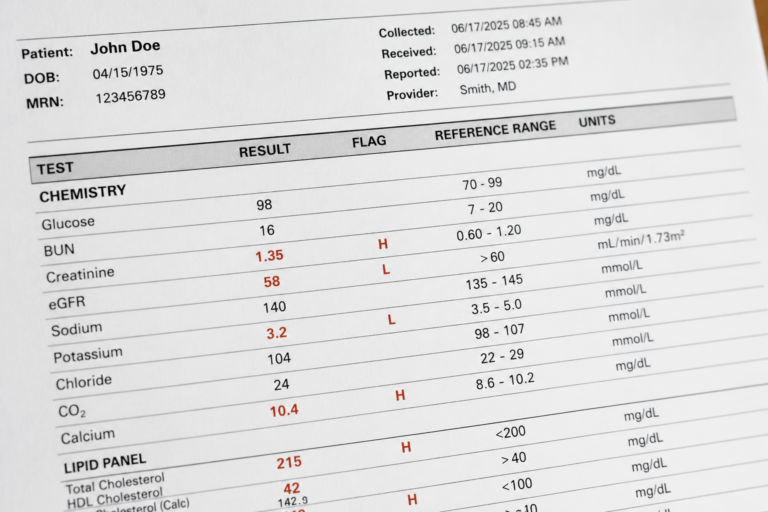
- Lab results and imaging reports
- Questions prepared before appointments
- A notebook for follow-up instructions
- Your patient portal
- Written after-visit summaries
- Asking whether you may record a visit or use an AI-assisted note-taking tool, if permitted by your healthcare provider and applicable laws
Each piece helps you build a more complete picture of your health over time.
You Are an Important Part of Your Healthcare Team
Remember
Your doctor is an expert in medicine.
You are the expert on your own experience.
The best healthcare decisions happen when both perspectives come together.
Your healthcare providers bring years of education, training and clinical experience.
You bring something no one else can.
You know what your body felt like before your symptoms started. You know what changed, what improved, what became worse and how your condition affects your daily life.
The best healthcare happens when those two perspectives come together.
You don’t have to know the diagnosis.
You don’t have to know which test should be ordered.
But you do know your own experience.
Keeping a timeline, asking questions and sharing what you’ve observed can help your healthcare team understand the bigger picture. Sometimes, that information may make all the difference.